
TOPIC 7.3 The EFFECTS of the Spanish–American War
Puerto Rico, Bad Bunny, & Imperialism - by Deana Forbes
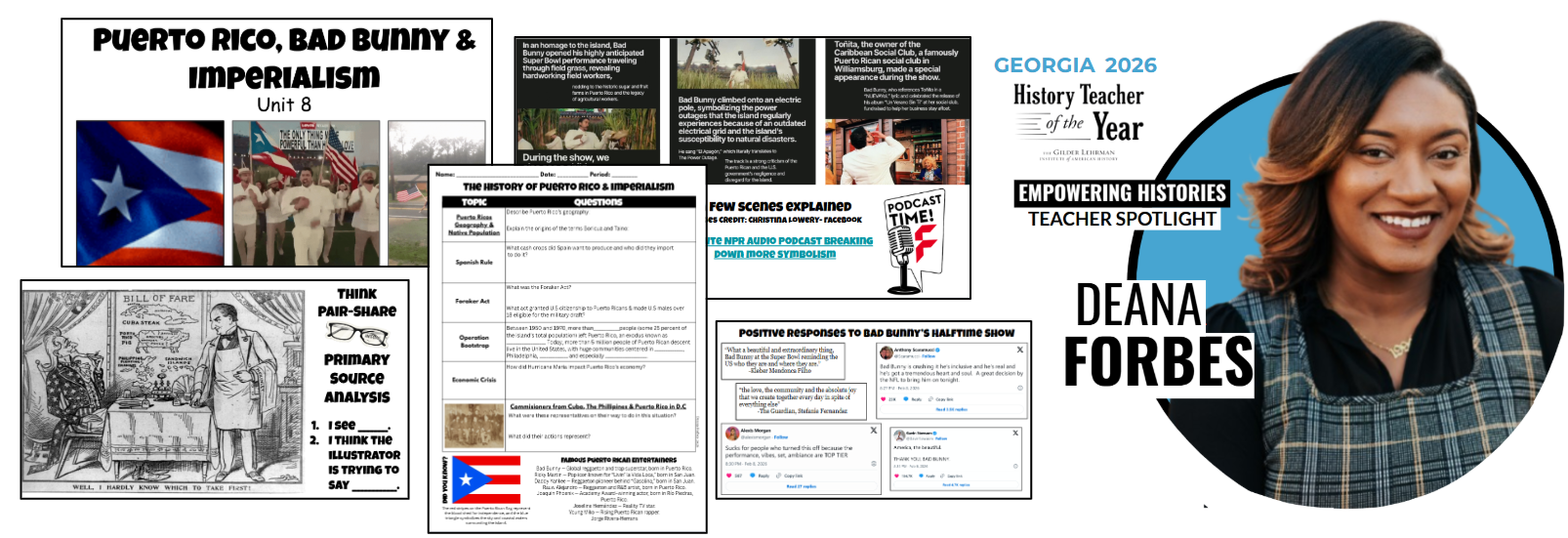
Unit 7: Learning Objective C: Explain the effects of the Spanish–American War.
“Teach truth unabashedly, honor the identities of those students in your classroom, and know that it is possible to teach this way AND ensure students are successful in their academic endeavors.” - Deana Forbes, Georgia’s History Teacher of the Year
Objective: Students will be able to describe the long term effects of the U.S. annexation on Puerto Rico.
EMPOWERING HISTORIES SPOTLIGHT
This lesson is part of the Empowering Histories Spotlight, a collection of classroom-tested lessons created by outstanding history teachers from across the country. These are the lessons that have inspired my own teaching, and I'm excited to share them with you!
Congratulations to Deana Forbes, Georgia’s 2026 History Teacher of the Year and Gilder Lehrman Top 10 National History Teacher of the Year finalist! I’ve had the privilege of working with Deana at the AP African American Studies Exam Reading and I so thankful that she was willing to share her Bad Bunny imperialism lesson with all of us!
NOTES on the Lesson from Deana Forbes
“I remember watching Bad Bunny's Superbowl Halftime Show last year and thinking "I HAVE to incorporate this into our upcoming lesson on U.S Imperialism". I wanted to make sure that students of all backgrounds in my classroom understood the cultural significance embedded in the performance, and overall I wanted to ensure that my Latinx students felt seen, heard and celebrated. In my experience, it is really easy for Latinx voices and experiences to be left out of the U.S curriculum entirely, if there is not an intentional effort to ensure their stories are told. I teach a population of about 75-80% Hispanic students and I wanted to be culturally responsive, considering I knew that most of my students were going to watch the show!
I think social studies educators hold one of the most precious responsibilities in the world- to shape young people's minds to see themselves as worthy, empowered and capable of being a light in this world. My advice to educators, especially social studies educators, is to teach truth unabashedly, honor the identities of those students in your classroom, and know that it is possible to teach this way AND ensure students are successful in their academic endeavors. Having a culturally centered classroom doesn't mean you have to forfeit student engagement and academic achievement! You can do both and ensure those students still walk out full of joy and hope for a better society.” - Deana Forbes
About Deana Forbes
De'Ana Forbes is an award-winning social studies educator, curriculum leader, and advocate for Black history and racial literacy. Recently named the 2026 Gilder Lehrman Georgia History Teacher of the Year, she is committed to creating learning experiences that empower students to think critically, engage with diverse historical perspectives, and connect the past to contemporary issues.
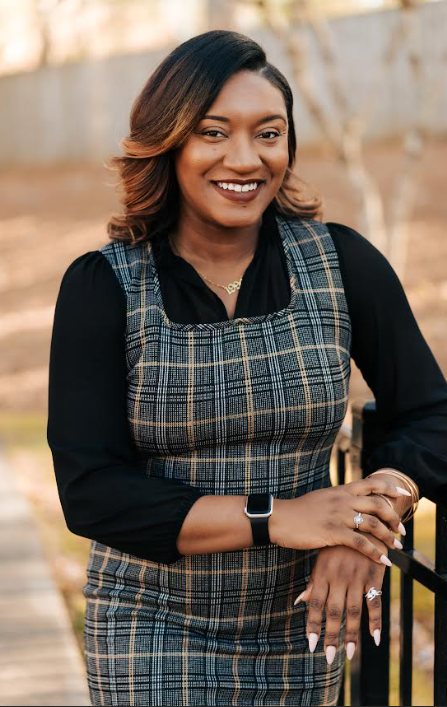
Currently a U.S. History teacher and founder of Social Studies Scholar, LLC, Forbes has developed curriculum and professional learning experiences that support culturally responsive and inquiry-driven social studies instruction. She has designed district-wide history curriculum modules, authored and reviewed educational resources, and is launching her school's first AP African American Studies program.
Her work is informed by numerous fellowships and professional leadership experiences, including serving as a Graduate Fellow with the Center for K-12 Black History and Racial Literacy at the University at Buffalo, a Teaching Fellow with the National Center for Civil and Human Rights, a Zinn Education Project Prentiss Charney Teaching Fellow, and founder of Freedom Grounds Collective, a commuity of educators committed to teaching truth and liberatory learning practices. Through these experiences, she advances her mission of helping educators teach history with accuracy, relevance, and joy while fostering civic engagement and racial literacy for all students.
s